ACTIVITY REPORT — SEPTEMBER–OCTOBER 2026

3 weeks ago by manuel in Special Category A

Hare Krishna. Please accept my humble obeisances (PAMHO).

All glories to Srila Prabhupada and to all his sincere and dedicated disciples and followers who, like you, faithfully follow his transcendental instructions and inspire us through their example to do the same with enthusiasm and perseverance.


HpS/ASA - AgtSP!!! 🐒 🐖 🗿


I am a somewhat absent-minded little monkey who is still learning how to serve with greater order and discipline.

Please forgive my unintentional delays.


ASA 🐵 Hare Krsna. Kapi Dhvaja is like five days late!


I have now resolved to establish a regular work rhythm that will enable me to carry out our humble service at NIOS more efficiently.


Accordingly, we have decided to prepare a monthly activity report, to be submitted on the first Ekadashi of each month. This report will be sent to the NIOS Board of Directors and published on this blog. As you have mentioned on numerous occasions, “Good communication should be clear, concise, and constant.”


This report summarizes the activities carried out, the arrangements made, and the proposals we respectfully submit for your consideration.


ACTIVITIES COMPLETED


1. ACADEMIC SANKIRTANA IN CUSCO, SEPTEMBER 16–24

ARTd undertook this trip together with filmmaker Raul Zevallos. Both accepted an invitation from Professor Claudia Lira of the Pontifical Catholic University of Chile to participate in the International, Interdisciplinary, and Intercultural Colloquium, “Transpacific Aesthetic Dialogues.”

The event brought together approximately ten scholars from Japan, Chile, and Peru. It took place on September 17, 2026, at the Machu Picchu Museum of the National University of San Antonio Abad of Cusco.

ARTd delivered a presentation entitled “Beauty, Respect, and Care: Toward an Ethics of Compassion, Through Intercultural Dialogue, for a Culture of Peace.” The presentation was based on Chapter 11 of the Sixth Canto of the Srimad-Bhagavatam:“The Transcendental Qualities of Vritrasura.”


2. OUTCOMES OF THE SANKIRTANA

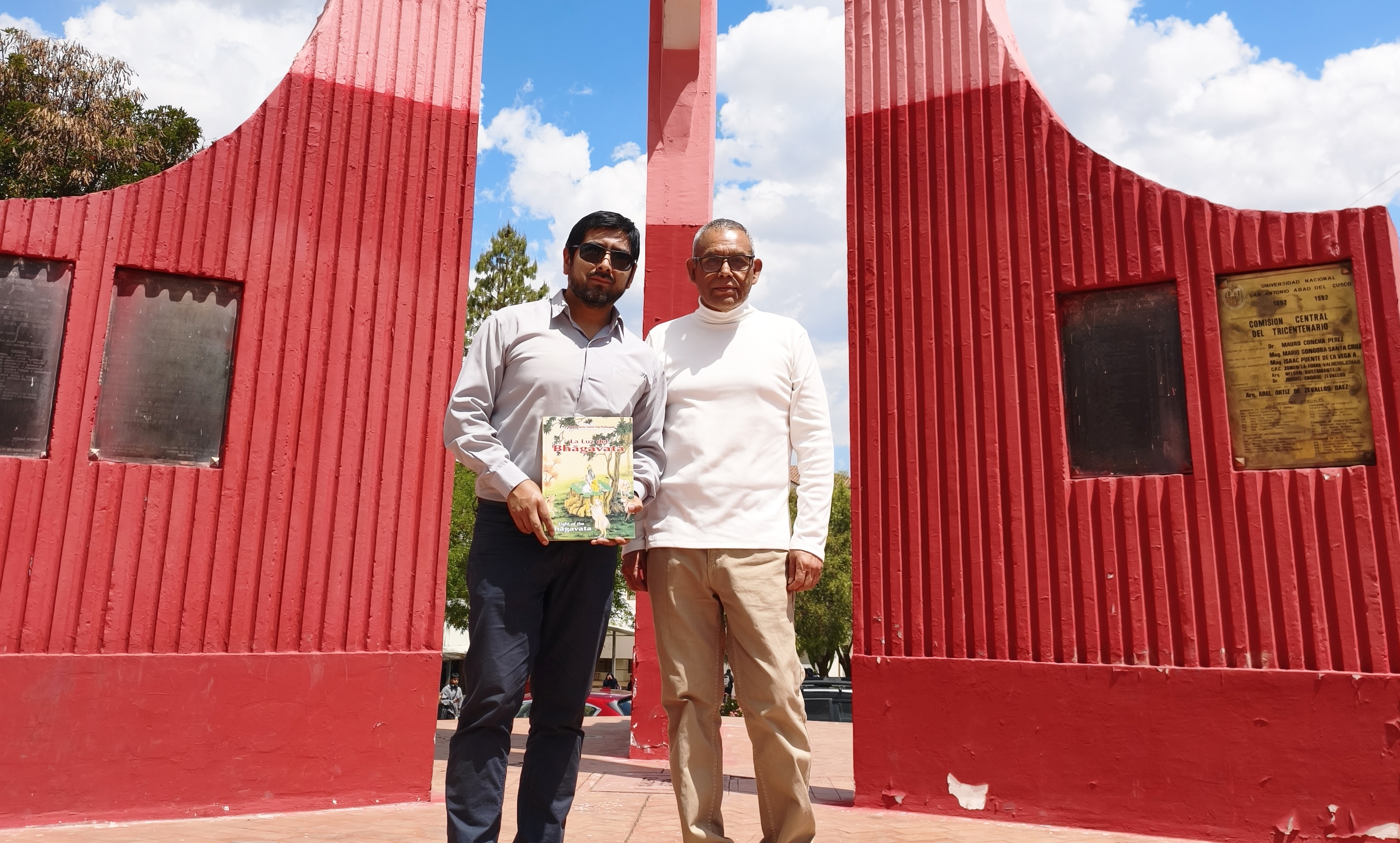
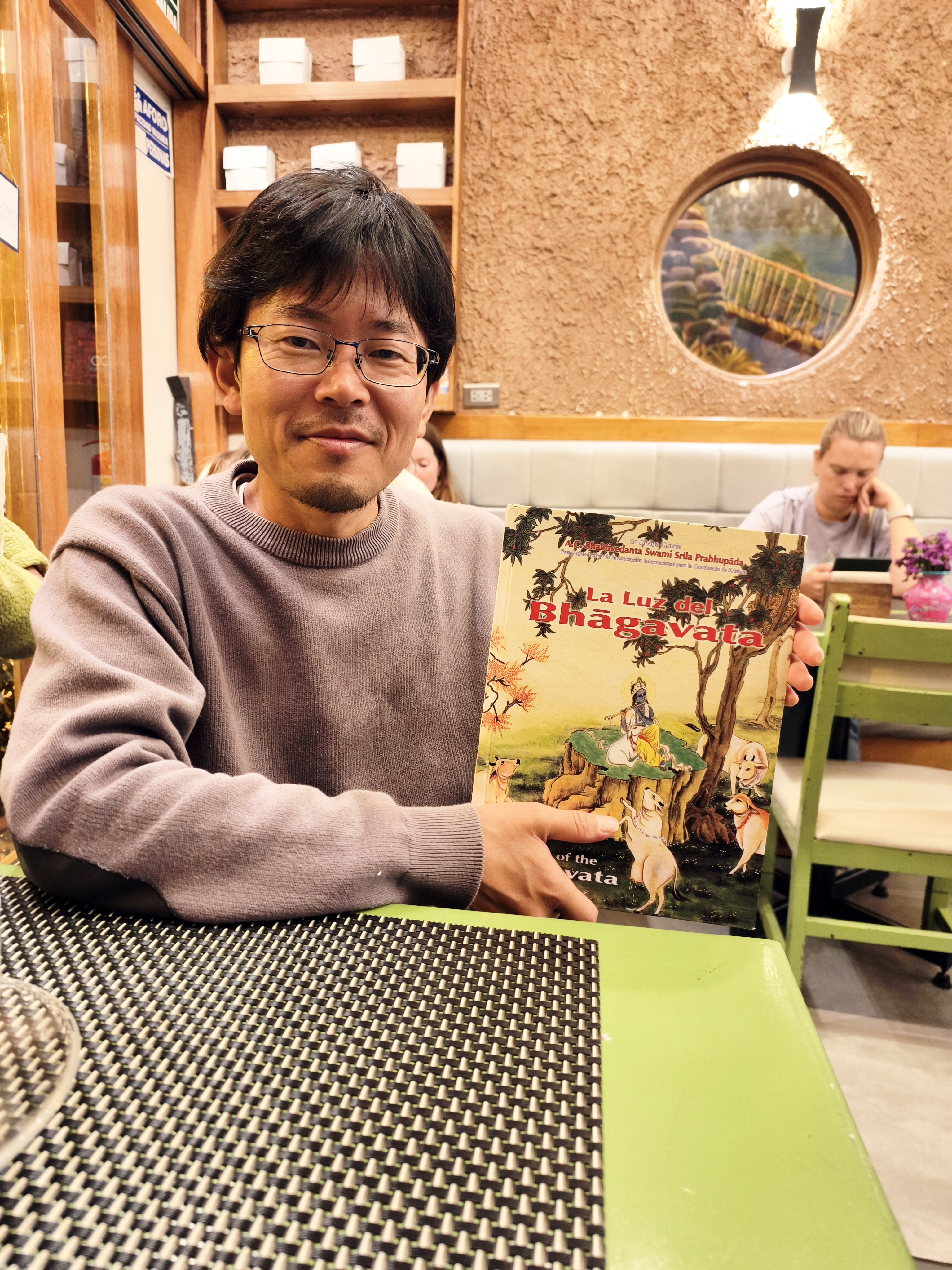
  • A copy of The Light of the Bhagavata was presented to Professor Hiranao, a literature professor at Kyoto University, Japan.
  • Another copy of The Light of the Bhagavata was presented to Professor Fabio Sanchez, Director of the Center for Philosophical Studies at the National University of San Antonio Abad of Cusco.
  • We also presented a complete collection of SOLARIS magazine to Dr. Oscar Valiente, Director of the School of Medicine at the same university in Cusco.

Photographs documenting these presentations are attached.


ASA - 💥

May be few years before this has a result, but we have seen this precisely happen with preaching B. S. Damodara Swami did at his university in Manipura to fellow teachers, and then one of them, years later, became Dean of the Faculty of Science and was totally including this perspective as part of the basis of his work.


3. THE HEALTH OF HIS HOLINESS HPS AND FOLLOW-UP ARRANGEMENTS

Following the intensive Ayurvedic treatment he underwent in Udupi, His Holiness Hanumatpresaka Swami (HH HpS) returned to Spain two days later and, a few days afterward, traveled to the United States. Under these circumstances, embarking almost immediately on an academic sankirtana tour of Peru and Chile would have been excessively demanding.

We understand that Dr. Anantesvara Dasa considered such a preaching tour to pose a risk to HH HpS’s health and felt that the most appropriate course of action would be for him to rest for at least two months.

We have already communicated the situation to the Rector of Antonio Ruiz de Montoya University, as well as to physicians from the Faculty of Medicine at the National University of San Marcos (UNMSM) and representatives of the Medical College of Peru. They have all understood the circumstances, and we have discussed the possibility of conducting some of the planned activities online.


PROPOSALS AWAITING CONSIDERATION AND CONFIRMATION

With the aim of sustaining the spirit of the academic and devotional gatherings that had been planned, we respectfully submit the following proposals. All remain subject to your consideration and to the state of your health.


1. PROPOSED VIRTUAL ACADEMIC SANKIRTANA PROGRAM

FRIDAY, NOVEMBER 6 | 7:00 P.M. | VIA ZOOM

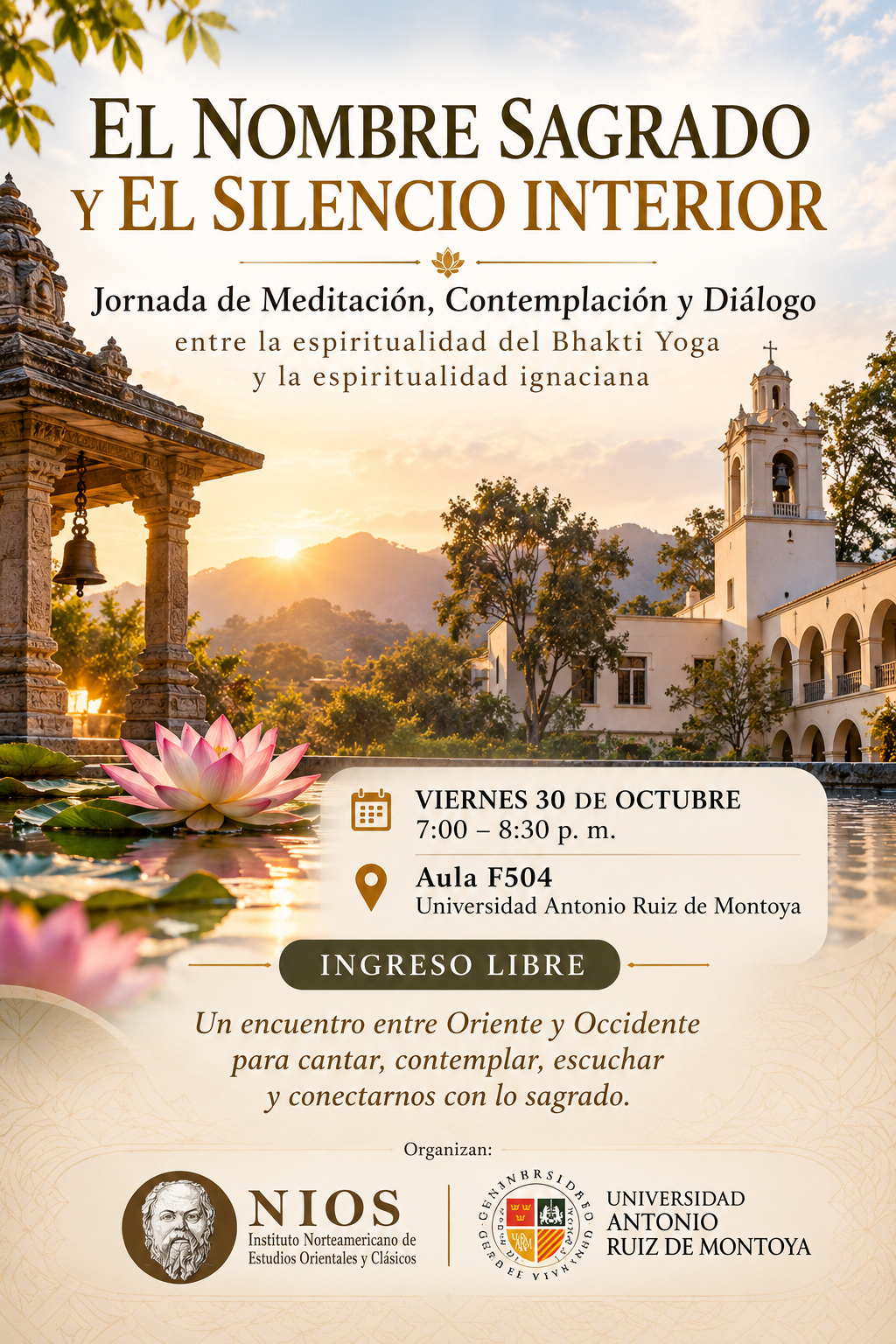
THE HOLY NAME AND INNER SILENCE

A gathering for meditation, contemplation, and dialogue between Gaudiya Vaishnava spirituality and Ignatian spirituality.

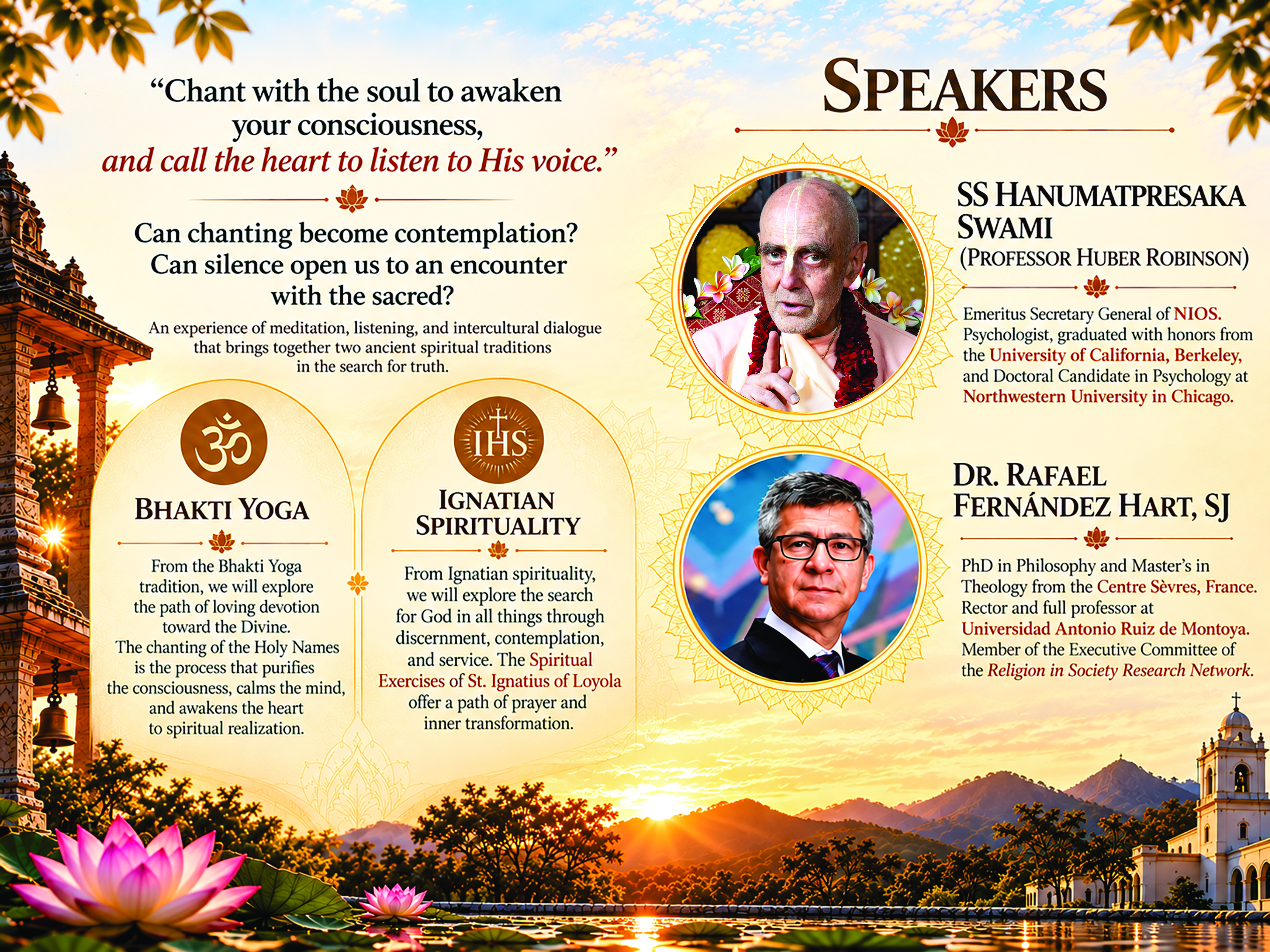
Proposed speakers:

  • His Holiness Hanumatpresaka Swami, Senior Advisor to NIOS.
  • Dr. Rafael Fernandez Hart, S.J., Rector of Antonio Ruiz de Montoya Jesuit University.

The Rector sent his greetings and best wishes. He also expressed his preference for a format that would encourage a lively, dynamic dialogue and active participation from those attending.


HpS/ASA - Very nice. Power point with room for good dialog. Translation. Individual meeting on the 3rd with Rector?


SATURDAY, NOVEMBER 7 | 2:30 P.M. | VIA ZOOM

SPECIAL CLASS FOR NAMAHATTA TULASI

Proposed topic: “Congregational Life and Sadhana: How to Make Spiritual Advancement in Our Homes.”

At present, the vast majority of devotees in Peru belong to the congregation, while only a small number live at the temple. This class is therefore intended to encourage devotees who cultivate their spiritual lives at home to strengthen their daily practices, support one another, and discover that spiritual advancement in Krishna consciousness is possible even amid family, professional, and personal responsibilities.


HpS/ASA - On our Calendar.


2. RESCHEDULING THE DIALOGUES WITH MEDICAL PROFESSIONALS

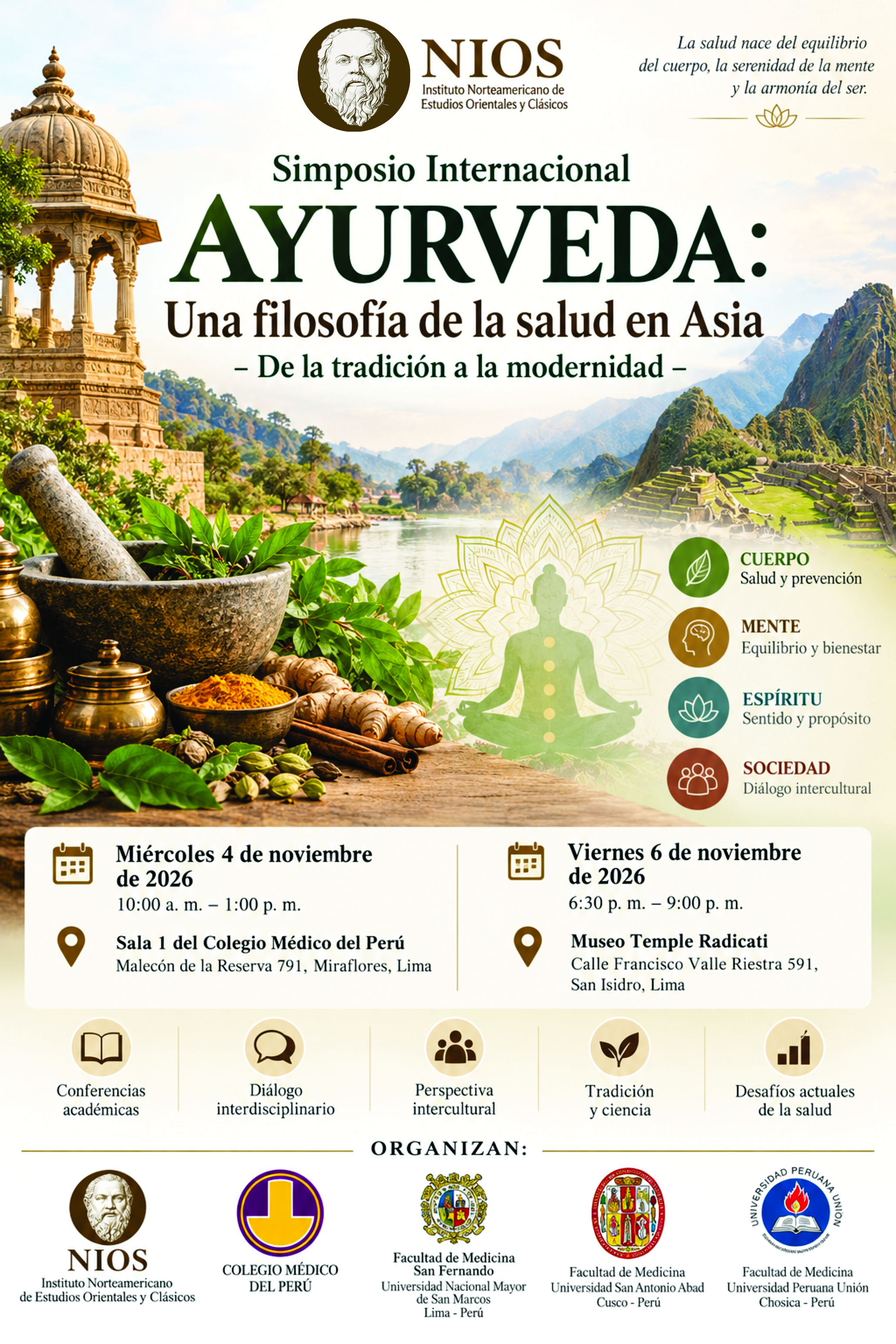
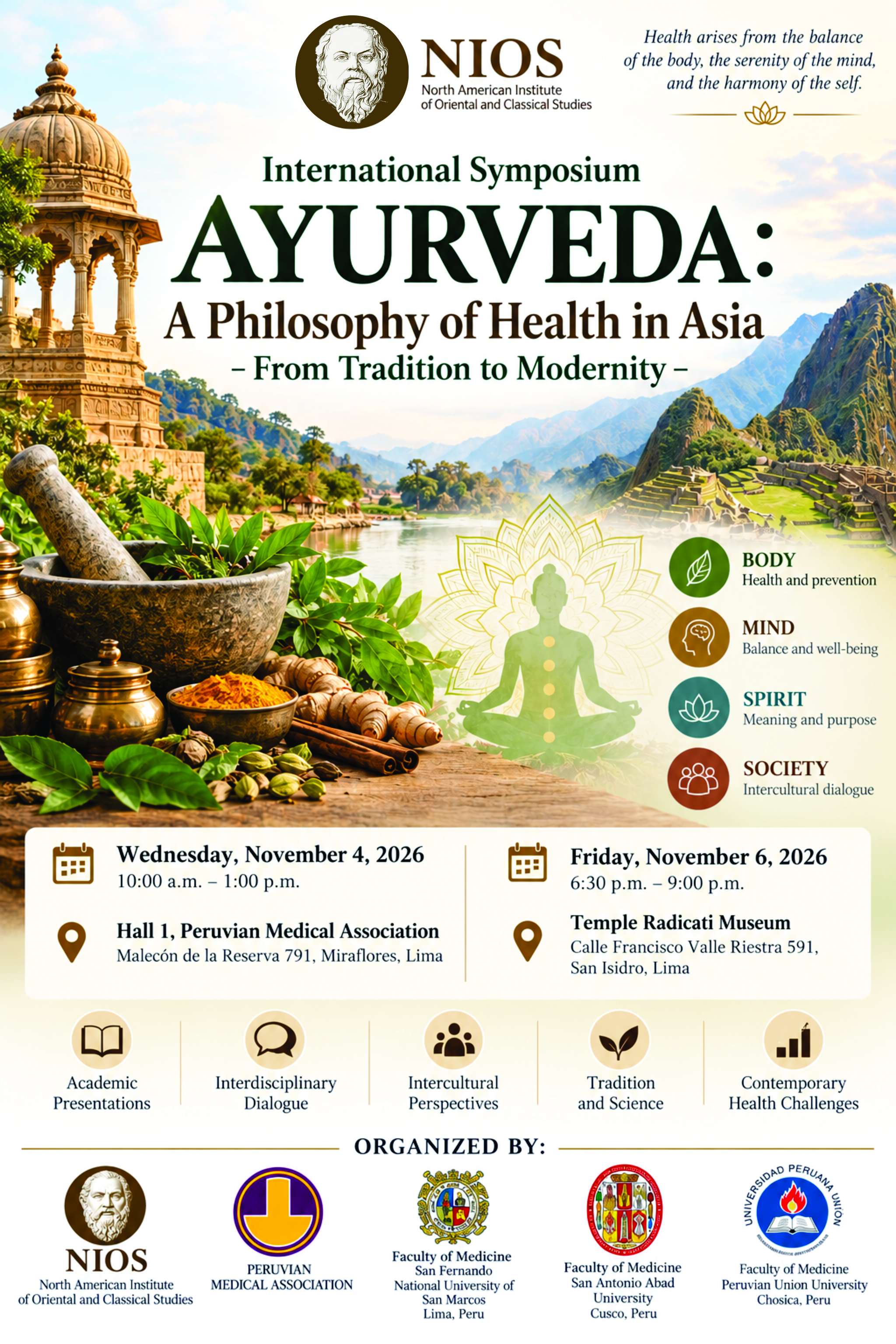
Central theme: “AYURVEDA: A Philosophy of Health in Asia — From Tradition to Modernity.”

The medical dialogues were initially scheduled for the following dates:

  • Wednesday, November 4: Radicati Museum.
  • Friday, November 6: Medical College of Peru.

In light of the changes to the tour, we propose considering the following alternative dates:

Wednesday, November 18, and Friday, November 20.


HpS/ASA - These seem great. We will talk with Anantesvara Das.


Should you feel that postponing them a little longer would be more appropriate, that would present no problem.


3. COORDINATION WITH PABLO ON THE EDITING OF THE AYURVEDA VIDEO

We have spoken with Pablo to coordinate the editing of the Ayurveda video. He explained that the work could be organized through Zoom meetings.

In his view, the most important thing at this stage is to receive all the available recorded footage so that he can review the material and begin editing. Virtual meetings would make it possible to coordinate the details and address any issues that may arise throughout the process.


HpS/ASA - We sent $700 to him through Janardana Das, so that may pay to start the work. We also sent him, everyone, the link to the Sunday Festival presentation on YouTube, which is based on the pretty complete PPTX that we also sent.

Other material we can consider. Don't think we need to much beside shots of Maitreya Ashrama or others to illustrate my and AE Das words.

Hope we can have Fernando and everyone else involved.


4. PROMOTIONAL MATERIALS FOR YOUR REVIEW

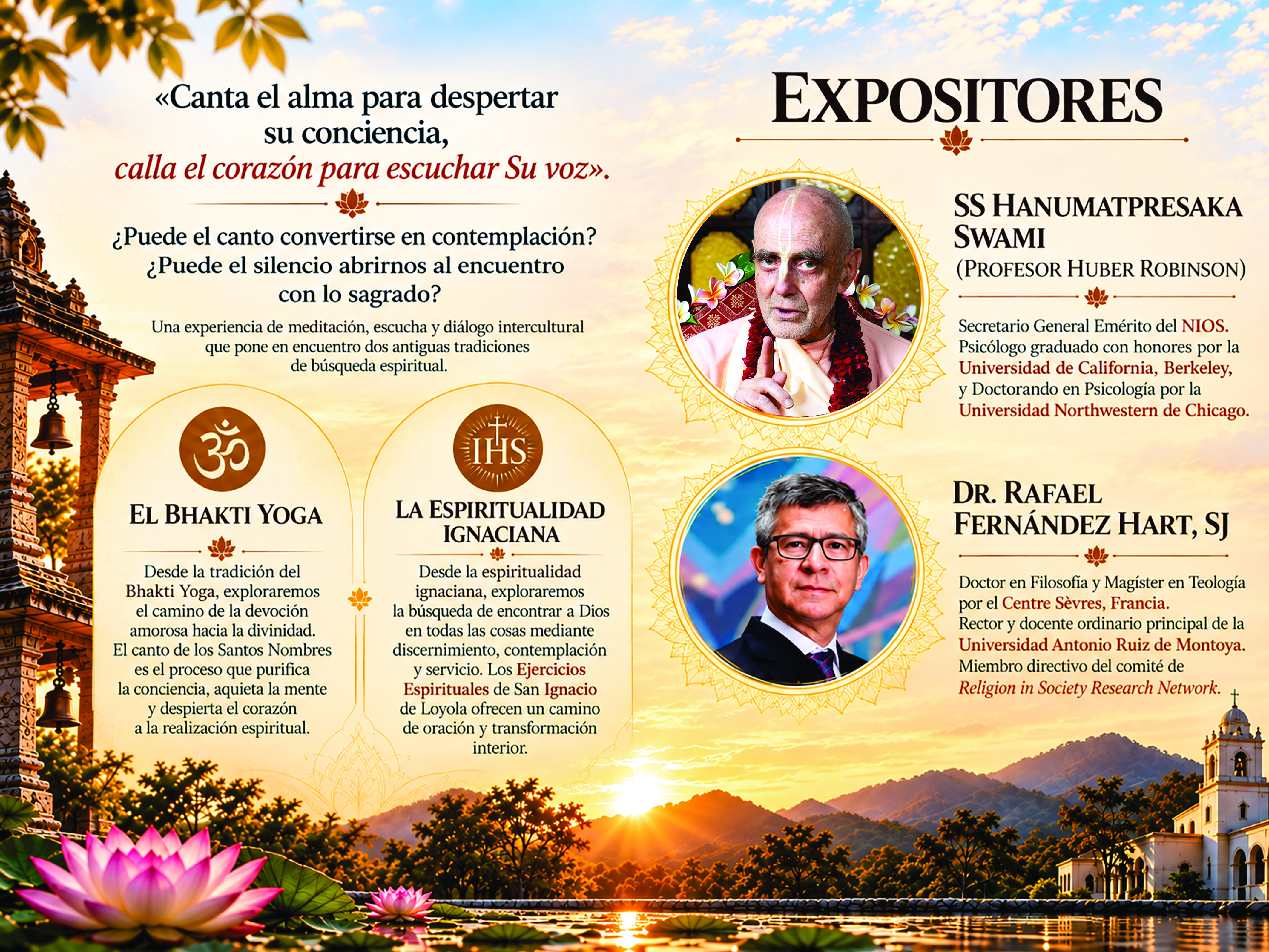
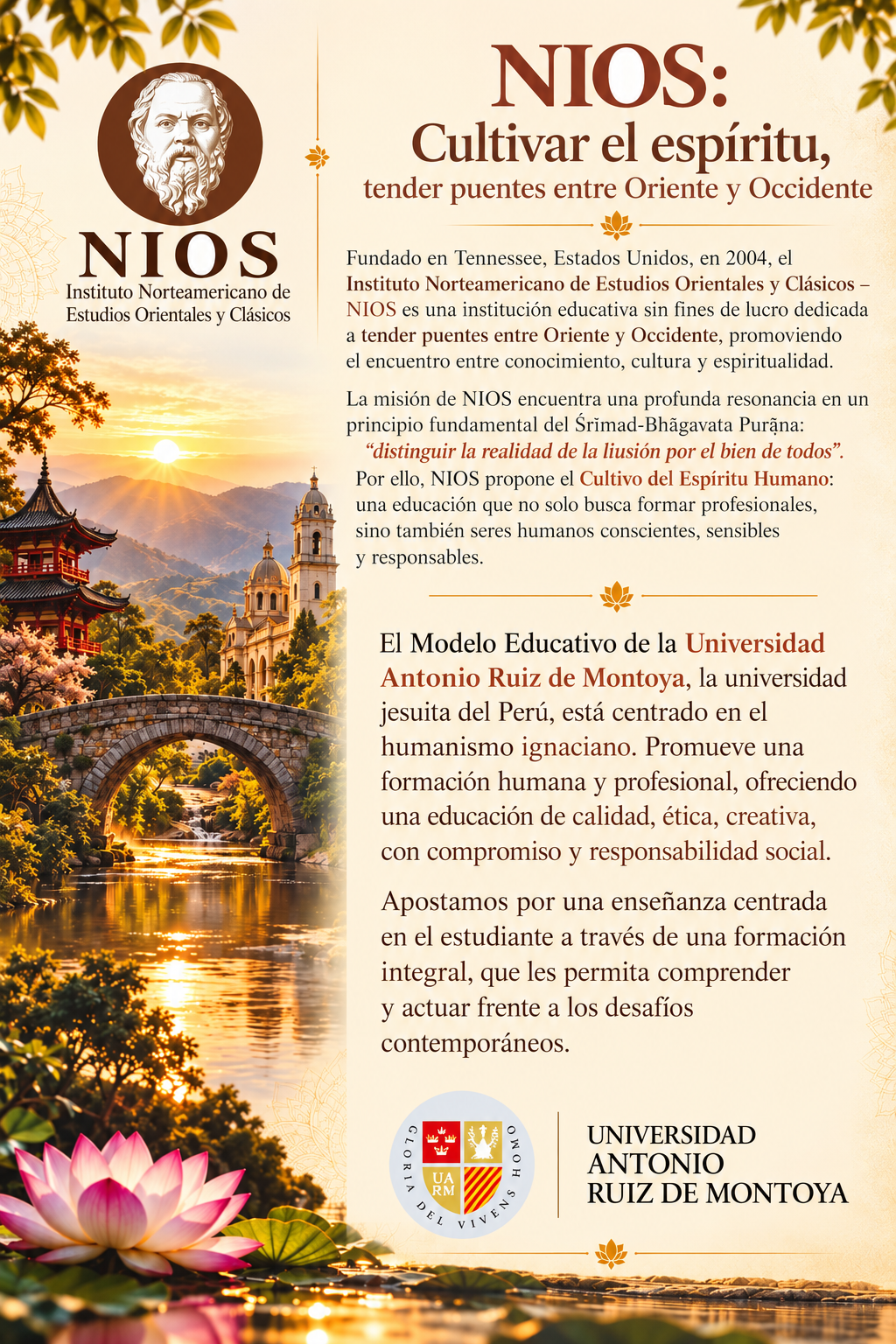
We have attached several images of the materials that were being used to promote the events. We are sharing them to invite your feedback and suggestions so that we can improve our outreach and continue building bridges between the wisdom of classical India, the academic world, and the spiritual concerns of our society.


We hope this report will be useful. We are still learning to be more attentive, organized, and punctual in our service, and we have faith that, by your mercy and the mercy of Sri Sri Nitai-Nimai, we will continue to improve.


We still have much to learn, but we are eager to serve the devotees… and a strong craving desire to eat bananas, maha-prasadam. JAYA SRI RAMA!!!!


HARE KRISHNA!!!!!, Bhakta Manuel


HpS/ASA - Srinivasa Das, VP Nios, has some heavy fever, here in Houston, but is working to recover and goes to Taiwan next Friday. We are suggesting that there should be a mandatory Executive Committee meeting once a month for NIOS. This would be President, Secretary, Treasurer, any Vice Presidents.

Could be short.

Maybe one hour.

Unless Executive Officers can do it they should take other roles in NIOS, no?


7:08PM look at a little more Blog Mail then rest. Trying to catch up a little.


INFORME DE ACTIVIDADES — SEPTIEMBRE-OCTUBRE DE 2026

Hare Krishna. Pfamhr.


Todas las Glorias a Srila Prabhupada!! y a todos sus discípulos y seguidores sinceros y dedicados que, como usted, siguen sus trascendentales instrucciones y, con su ejemplo, nos inspiran a hacerlo con entusiasmo y perseverancia.


Soy un mono algo distraído que todavía está aprendiendo a servir con mayor orden. Le ruego que disculpe las demoras involuntarias. Ahora me he propuesto establecer un ritmo de trabajo que me permita hacer más eficiente nuestro humilde servicio en NIOS.


Por ello, nos hemos propuesto elaborar un informe mensual de actividades, que presentaremos el primer ekadasi de cada mes. Este informe será enviado a la Junta Directiva de NIOS y publicado en este blog. Como usted ha mencionado en reiteradas ocasiones: “Una buena comunicación debe ser clara, corta y constante”.


El presente informe recoge las actividades realizadas, las gestiones llevadas a cabo y las propuestas que ponemos respetuosamente a su consideración.


ACTIVIDADES REALIZADAS

1. SANKIRTANA ACADEMICO EN CUSCO, DEL 16 AL 24 DE SEPTIEMBRE

ARTd realizó este viaje junto con el cineasta Raúl Zevallos. Ambos aceptaron la invitación de la profesora Claudia Lira, de la Universidad Católica de Chile, para participar en el Coloquio Internacional, Interdisciplinario e Intercultural “Diálogos Estéticos Transpacíficos”.

El encuentro reunió a alrededor de 10 académicos de Japón, Chile y Perú, y se llevó a cabo el 17 de septiembre de 2026 en el Museo Machu Picchu de la Universidad Nacional de San Antonio Abad del Cusco.


ARTd presentó la conferencia titulada “Belleza, respeto y cuidado: hacia una ética de la compasión, desde la interculturalidad para una cultura de paz”. La ponencia se basó en el capítulo 11 del Sexto Canto del Srimad-Bhagavatam: “Las cualidades trascendentales de Vritrasura”.


2. RESULTADOS DEL SANKIRTANA

  • Se entregó un ejemplar de La luz del Bhagavata al profesor de literatura Hiranao, de la Universidad de Kioto, Japón.
  • Se entregó otro ejemplar de La luz del Bhagavata al profesor Fabio Sánchez, director del Centro de Estudios Filosóficos de la Universidad Nacional de San Antonio Abad del Cusco.
  • También entregamos una colección completa de la revista SOLARIS al Dr. Óscar Valiente, director de la Escuela de Medicina de la misma universidad, en Cusco.

Adjuntamos fotografías de estas entregas.


3. SITUACION DE SALUD DE SS HPS Y GESTIONES REALIZADAS

Después del intenso tratamiento ayurvédico al que fue sometido en Udupi, Su Santidad Hanumatpresaka Swami (SS HPS) después de dos días regresó a España y, pocos días más tarde, viajó a Estados Unidos. En estas circunstancias, iniciar casi inmediatamente una gira de sankirtana académico por Perú y Chile habría resultado demasiado agotador.

Entendemos que el Dr. Anantesvara Dasa consideró que realizar esta gira de prédica implicaba un riesgo para la salud de SS HpS y que lo más conveniente era que descansara durante, al menos, dos meses.


Ya hemos comunicado esta situación al rector de la Universidad Antonio Ruiz de Montoya, así como a los doctores de la Facultad de Medicina de la Universidad Nacional Mayor de San Marcos (UNMSM) y al Colegio Médico del Perú. Todos han comprendido las circunstancias y hemos conversado sobre la posibilidad de realizar algunas de las actividades de manera virtual.

PROPUESTAS PENDIENTES DE CONSIDERACION Y CONFIRMACION

Con el propósito de mantener vivo el espíritu de los encuentros académicos y devocionales previstos, presentamos respetuosamente las siguientes propuestas. Todas quedan sujetas a su consideración y a las condiciones de su salud.


1. PROGRAMA DE SANKIRTANA ACADEMICO EN MODALIDAD VIRTUAL

VIERNES 6 DE NOVIEMBRE | 7:00 P. M. | VIA ZOOM


EL NOMBRE SAGRADO Y EL SILENCIO INTERIOR

Jornada de meditación, contemplación y diálogo entre la espiritualidad Gaudiya Vaisnava y la espiritualidad ignaciana.

Expositores propuestos:

  • Su Santidad Hanumatpresaka Swami, consejero sénior de NIOS.
  • Dr. Rafael Fernández Hart, SJ, rector de la Universidad Jesuita Antonio Ruiz de Montoya.

El rector nos envió sus saludos y buenos deseos. Asimismo, manifestó que le gustaría que esta actividad tuviera un formato de diálogo fluido y dinámico, con una participación activa de los asistentes.


SABADO 7 DE NOVIEMBRE | 2:30 P. M. | VIA ZOOM

CLASE ESPECIAL PARA EL NAMAHATTA TULASI

Tema propuesto: “La congregación y el sadhana: cómo avanzar espiritualmente en nuestros hogares”.

Actualmente, la gran mayoría de los devotos en el Perú pertenecen a la congregación; son muy pocos los que viven en el templo. Por ello, esta clase busca animar a los devotos que cultivan su vida espiritual desde sus hogares a fortalecer su práctica diaria, apoyarse mutuamente y descubrir que, incluso en medio de las responsabilidades familiares, laborales y personales, es posible avanzar en conciencia de Krishna.


2. REPROGRAMACION DE LOS CONVERSATORIOS CON LOS MEDICOS

Tema central: “AYURVEDA: Una filosofía de la salud en Asia. De la tradición a la modernidad”.

Los conversatorios médicos estaban previstos inicialmente para las siguientes fechas:

  • Miércoles 4 de noviembre: Museo Radicati.
  • Viernes 6 de noviembre: Colegio Médico del Perú.

Debido a los cambios en la gira, proponemos considerar las siguientes fechas alternativas:

Miércoles 18 de noviembre y viernes 20 de noviembre. Si considera que sería más conveniente postergarlas un poco más, no habría ningún inconveniente.


3. COORDINACION CON PABLO PARA LA EDICION DEL VIDEO SOBRE AYURVEDA

Hemos conversado con Pablo para coordinar la edición del video sobre Ayurveda. Él nos comentó que el trabajo podría organizarse mediante reuniones por Zoom.

Considera que, en esta etapa, lo que necesita es recibir todos los materiales de grabación disponibles, de modo que pueda revisar el contenido y comenzar a avanzar con la edición. Las reuniones virtuales permitirían coordinar los detalles del trabajo y resolver las cuestiones que vayan surgiendo durante el proceso.


4. MATERIALES DE DIFUSION PARA SU REVISION

Adjuntamos algunas imágenes de los materiales que se estaban utilizando para promocionar los eventos. Se las compartimos con el propósito de conocer sus sugerencias, y así mejorar la difusión y a tender puentes entre la sabiduría de la India clásica, el mundo académico y las inquietudes espirituales de nuestra sociedad.


Esperamos que este informe sea de utilidad, aún estamos aprendiendo a ser más atento, ordenado y puntual en el servicio tenemos fe en que por su misericordia y la de Sadai Nimai-Nitai podamos mejorar. Todavía tenemos mucho que aprender, pero muchas ganas de servir a los devotos… y también muchas ganas de comer plátanos maha-prasadam. JAY SRI RAMA!!!!


HARE KRISHNA!!!!!, Bhakta Manuel.
 

ASA Calendar 261030

3 weeks ago by hps in Calendar Development

🐒

ASA - Calendar (Tom Brown, Secretary, Anjana Suta Academy)

ACRONYMS

  • ACT = ASA Camp Time. Eg if we Camped in Boise, Idaho, it will be Boise, Idaho time.
  • EP = Evening Program
  • FMP = Full Morning Program: Mangala arati or Morning Service, Kirtan, SB.
  • GTM = GoToMeeting, https://meet.goto.com/382688053. Using your phone, +1 (571) 317-3122, Access code: 382-688-053
  • MOE = Ministry of Education


NEWS

The monkeys and bears would chatter amongst themselves as they moved South looking for Sita. They would regroup and discussed the day's search results at the end of each day and they had to make a report to Sugriva and Sri Rama by the end of one month.

  1. Moment to Moment Breaking Sankirtan News: 1) ASA, anveska, WhatsApp Community; 2) ASA, asa chatter, WhatsApp Group .
  2. End of Day Sankirtan Reports: www.monkeywarrior.com.
  3. Monthly Sankirtan Report: https://jayarama.us/news


REGULAR EVENTS

Daily:

  1. Japa Joe: 16-rounds before Mangala Arati, 1:30-3:30AM @ GTM
  2. Full Morning Program (FMP): Local Temple/Camp 4.30AM @ www.YouTube.Com, ISKCON Houston.

Weekly:

~ASA Sunday Morning SB Workshop: HpS/Upendra Das, 7.30AM Houston Time @GTM


CALENDAR

OCT

25/Su - Purnima, KDh.

American Bhagavata Curriculum (ABC) will be focused during Kartik on NoD, Southern Part, Bhava-bhakti, producing a study guide and examination for the ISKCON Board of Examinations (BoEX)

30/fr - still getting feet on ground in Houston.

31/sa - Bhakti vrksa program with Abhirama Th. Das and devotees in Peru. Maybe Hari-nama Sankirtan with devotees in Houston!


NOV

1/Su - Appearance of Radha-kunda.

5 - Ekadasi

9/mo - go var dhana puja.

12/Th - Srila Prabhupada Dis.

20/Fr - Dis. Gaura-kishora Das; Ekadasi, submit article for Kapi Dhvaja.

24/Tu - Damodara Purnima; Kapi Dhvaja.

ABC will be focused during Kesava month on BOEX Study Guide for NoI for Bhaktivedanta level.


DEC

Camp in Nila-madhava Dhama.


2027

JAN

7-8th - Mexico - Lochana Das and Jiva Goswami festivals in Mexico. Maybe ten days total? Mexico city and quick visit to Monterrey!!


MAR

Jagat-guru Das suggesting Chile.


PROJECTS

  1. Kirtaniya Sada Harih. Wherever you go whom every you meet tell them about Krsna.
  2. Science & Vedanta - Ayurveda Documentary
  3. Media Resource Center Houston/North American GBC - Dovetailing Sci/Ved above with this but still hoping Center develops with more detail.
  4. ABC/Bhaktivedanta Library - As above NoD South for Kartik and NoI Bh. Ved. for December. Join local Houston SB classes. Hawaii (?). Join classes that were scheduled during Latin American tour on line. ASA Encyclopedia and Web page etc. Working well with Srirama Krsna Das.

ABC for Kartika

1 month ago by hps in Calendar Development

AgtSP.

Paoho.


We are thinking (!) that we should do bhakti-vaibahva level NOD study during Kartika. Use Waves of Devotion.

Write an Examination for the ISKCON Board of Examinations.


What do you think? Want to join formally or informally?


Can be credit toward the Bhakti vedanta Diploma, writing the Bh. Vaibhava test.

Daily SB class / Clase de SB diaria

Dear Gurudeva,


Please accept my humble obeisances. All glories to Śrīla Prabhupāda!


In response to your question regarding whether we have regular, organized morning study of the Śrīmad-Bhāgavatam: yes, we do. We have established an intimate community space via a dedicated WhatsApp group to nourish our bhakti and maintain daily association with Śrīla Prabhupāda’s teachings (nityaṁ bhāgavata-sevayā, SB 1.2.18).


Because devotees have demanding work schedules and varied commute times, we organize the WhatsApp dynamic as follows:

  • 6:00 AM Daily Broadcast: An audio recording containing the translation of the verse, and Śrīla Prabhupāda’s purport (7 to 11 minutes maximum) is posted to the group, alongside the direct VedaBase link for those who prefer to read.
  • Throughout the Day (until 6:00 PM): Devotees listen according to their personal routine (during their commute, breakfast, or work breaks).
  • Reflections & Inquiries (Optional): Devotees are encouraged to share realizations or questions. To honor everyone's time and avoid digital clutter, we keep a strict rule: audio notes must be under 1 minute and 30 seconds, or shared as brief written text.

In addition to our online study, at the project we maintain an active physical morning program:

  • Monday through Saturday: Short version to allow japa time
  • 5:00 to 5:30 AM: Maṅgala-āratī, singing Śrī Śrī Gurv-aṣṭaka, kīrtana, Nṛsiṁha prayers, daily announcements, and Vaiṣṇava praṇāma.
  • 7:00 AM: Deity greeting (darśana-āratī) and singing the Govinda prayers (presently performed mostly by the pūjārī alone).
  • Sundays (Full Morning Program): Maṅgala-āratī with Tulasī-pūjā. Following the 7:00 AM Deity greeting and Govinda prayers, we hold the full program with Guru-pūjā for the congregational gathering.
  • Future Goal: Our prayer and plan for the future is to gradually introduce a regular evening program (sandhyā-āratī and Bhagavad-gītā class) as the community continues to grow.

We understand that the only real ground for our community to flourish is genuine bhakti. Sincere souls are drawn exclusively by bhakti, and that remains our sole guiding compass.

At the same time, building and sustaining a community of devotees in Kali-yuga is an uphill battle. We face heavy challenges: legal disputes, severe budget limitations, occasional demotivation among members, harsh weather conditions, and logistical setbacks.

Yet, this engagement is our supreme shelter. You specifically instructed us to push this project forward, and that is why we are dedicating substantial time and energy to persevere and make things happen here. With your continuous blessings and guidance, everything is possible.

Your servant,

Nikunja Bihari Das


HpS/ASA - My own, agtSP, realization is that the full morning program, Mangala arati duing Brahma muhurta and Evening program at practical and very, very productive in terms of peace, prosperity and friendship within the family and community.


The reason I don't do it, it not because it is not the smartest way to work in terms of money, politics, friendship, but because I am a demon, lazy.


Working on it.


I know several devotees who have worked out very successful Sattvik business niches even the current Kali yuga!


Hare Krsna. 👹


Querido Gurudeva:


Por favor, acepte mis humildes reverencias. ¡Todas las glorias a Śrīla Prabhupāda!


En respuesta a su pregunta sobre si tenemos un estudio matutino regular y organizado del Śrīmad-Bhāgavatam: sí, lo tenemos. Hemos establecido un espacio comunitario íntimo a través de un grupo exclusivo de WhatsApp para nutrir nuestro bhakti y mantener la asociación diaria con las enseñanzas de Śrīla Prabhupāda (nityaṁ bhāgavata-sevayā, SB 1.2.18).

Dado que los devotos tienen horarios laborales demandantes y diversos tiempos de traslado, organizamos la dinámica de WhatsApp de la siguiente manera:

  • 6:00 AM – Emisión diaria: Se publica en el grupo un audio que contiene la traducción del verso y el significado de Śrīla Prabhupāda (máximo de 7 a 11 minutos), junto con el enlace directo a VedaBase para quienes prefieran leerlo.
  • A lo largo del día (hasta las 6:00 PM): Los devotos lo escuchan según su rutina personal (durante su viaje, el desayuno o pausas del trabajo).
  • Reflexiones y consultas (opcional): Se anima a los devotos a compartir realizaciones o preguntas. Para respetar el tiempo de todos y evitar la saturación digital, mantenemos una regla estricta: los audios deben durar menos de 1 minuto y 30 segundos, o enviarse como un breve texto escrito.

Además de nuestro estudio virtual, en el proyecto mantenemos un programa matutino presencial activo:

  • De lunes a sábado (versión corta para dar tiempo a la japa):
  • 5:00 a 5:30 AM: Maṅgala-āratī, cantando el Śrī Śrī Gurv-aṣṭaka, kīrtana, oraciones a Nṛsiṁhadeva, anuncios del día y vaiṣṇava-praṇāma.
  • 7:00 AM: Saludo a las Deidades (darśana-āratī) y canto de las oraciones Govinda (actualmente realizado en su mayoría por el pūjārī en solitario).
  • Domingos (programa matutino completo): Maṅgala-āratī con Tulasī-pūjā. Luego del saludo a las Deidades a las 7:00 AM y las oraciones Govinda, realizamos el programa completo con Guru-pūjā para el encuentro congregacional.
  • Meta futura: Nuestra oración y plan para el futuro es introducir de forma gradual un programa vespertino regular (sandhyā-āratī y clase de la Bhagavad-gītā) a medida que la comunidad continúe creciendo.

Entendemos que el único fundamento real para que nuestra comunidad florezca es el bhakti genuino. Las almas sinceras se sienten atraídas exclusivamente por el bhakti, y ese permanece como nuestro único norte orientador.

Al mismo tiempo, construir y sostener una comunidad de devotos en Kali-yuga es una batalla cuesta arriba. Enfrentamos desafíos considerables: disputas legales, limitaciones presupuestarias severas, desmotivación ocasional entre miembros, condiciones climáticas adversas y contratiempos logísticos.

Sin embargo, este servicio es nuestro refugio supremo. Usted nos instruyó específicamente que empujáramos este proyecto hacia adelante, y por eso estamos dedicando una parte sustancial de nuestro tiempo y energía a perseverar y hacer que las cosas sucedan aquí. Con sus continuas bendiciones y guía, todo es posible.

Su sirviente,

Nikunja Bihari Das


Programa de 4 semanas: Reflexiones prácticas para la prédica en Latinoamérica / 4-Week Program: Practical Reflections for Preaching in Latin America

Querido Gurudeva:


HpS/ASA - See, agtSP, and Google.com, English below.


Por favor, acepte mis humildes reverencias. ¡Todas las glorias a Śrīla Prabhupāda!

¡Muchísimas gracias por su liberadora comprensión! Tiene toda la razón: la excesiva complejidad analítica detiene la mente en seco. La edad avanzada trae consigo la sabiduría de enfocarse puramente en la esencia (sāra-grāhī).

Siguiendo su instrucción de simplificar, hemos dejado de lado el pesado temario. En su lugar, proponemos una sola pregunta sencilla y urgente por sesión para reflexionar sobre cómo impulsar la misión de Śrīla Prabhupāda en Latinoamérica:


Programa de 4 semanas: Reflexiones prácticas para la prédica en Latinoamérica

  • Sesión 1: Sādhana para personas ocupadas: Brāhma-muhūrta y el sattva-guṇa cotidiano
  • Pregunta: Śrīla Prabhupāda escribe en El néctar de la instrucción (Texto 3, Significado) que a todos en nuestro movimiento se les pide levantarse a más tardar a las 4:00 a. m., asistir al maṅgala-āratī, leer el Śrīmad-Bhāgavatam y cantar. ¿Cómo pueden los devotos congregacionales modernos que viven lejos del templo organizar su descanso, trabajo y deberes familiares (BG 6.17) para sostener realmente este estándar en la modalidad de la bondad (sattva-guṇa) sin desgastarse ni caer en el agotamiento?
  • Sesión 2: Niveles de prédica: Estructuración de programas desde sattva-guṇa hasta śuddha-sattva
  • Pregunta: Śrīla Prabhupāda explica que la Verdad Absoluta se realiza gradualmente como Brahman, Paramātmā y Bhagavān (SB 1.2.11), y que los sabios no deben perturbar la mente de los recién llegados (BG 3.26). ¿Qué formatos y programas comunitarios específicos deberíamos establecer para atender a las personas en todos los niveles, desde la introducción a la salud, el alivio del estrés y el Āyurveda en sattva-guṇa, pasando por cursos sistemáticos de filosofía (diplomados de ISKCON), hasta un Hari-kathā profundo y confidencial para practicantes avanzados?
  • Sesión 3: Construcción de un refugio real: De redes urbanas a educación superior y santuarios rurales
  • Pregunta: Dado que más del 90% de nuestros devotos viven lejos del templo y solo pueden asistir una vez por semana, ¿qué formatos descentralizados (Bhakti Vriksha, programas en hogares y herramientas digitales) pueden nutrirles genuinamente entre domingos (CC Madhya 7.128)? Además, para proteger a nuestras familias y asegurar el futuro ante el desgaste de la vida citadina (SB 7.14), ¿cómo podemos sentar bases realistas para nuestros propios centros educativos —desde gurukulas hasta instituciones de nivel terciario y universitario— vinculados a comunidades rurales sostenibles?
  • Sesión 4: Cooperación y liderazgo sin «drama»
  • Pregunta: Śrīla Prabhupāda afirmó que nuestro amor por él se demostraría en la medida en que cooperemos unos con otros, basándonos en el principio de tṛṇād api sunīcena (CC Ādi 17.31). ¿Cómo pueden los líderes locales y los miembros de la comunidad absorber de forma práctica las fricciones organizativas, resolver desacuerdos administrativos sin alejar a los devotos y preservar intercambios afectuosos genuinos (ṣaḍ-vidhaṁ prīti-lakṣaṇam, NOI 4) en nuestras yātrās locales?

Formato, alcance y cronograma propuesto

  • Audiencia: Para mantener los debates enfocados y prácticos, esto estará dirigido exclusivamente a devotos de Latinoamérica (en español). Si más adelante vemos la necesidad de una discusión global más amplia, podríamos coordinar un simposio en el próximo Congreso de Educación de ISKCON.
  • Formato: 60 minutos en total vía Google Meet / GoToMeeting (una breve exposición o reflexión inicial de 15 minutos, seguida de una iṣṭagoṣṭhī familiar abierta y preguntas y respuestas).
  • Fechas propuestas (aprovechando su próxima gira por Perú y Chile):
  • Sesión 1: Jueves 29 de octubre — 17:00 h Perú / 19:00 h Chile
  • Sesión 2: Martes 3 de noviembre — 17:00 h Perú / 19:00 h Chile
  • Sesión 3: Martes 10 de noviembre — 17:00 h Perú / 19:00 h Chile
  • Sesión 4: Martes 17 de noviembre — 17:00 h Perú / 19:00 h Chile

Estaríamos profundamente honrados y agradecidos si pudiera acompañarnos y bendecirnos con sus realizaciones en cualquiera o en todas estas sesiones.

Su sirviente,

Nikunja Bihari Das


Dear Gurudeva,

Please accept my humble obeisances. All glories to Śrīla Prabhupāda!

Thank you so much for your liberating realization! You are completely right: excessive analytical complexity stops the mind cold. Old age brings the wisdom of focusing purely on the essence (sāra-grāhī).

Following your instruction to simplify, we have set aside the heavy syllabus. Instead, we propose one simple, urgent question per session to reflect on how to push forward Śrīla Prabhupāda’s mission in Latin America:


4-Week Program: Practical Reflections for Preaching in Latin America

HpS/ASA - What is practical for the Gopis is not practical for us. What is practical for Brhaspati, may not be practical for Hanuman.


  • Session 1: Sādhana for Busy People: Brāhma-muhūrta & Everyday Sattva-guṇa
  • Question: Śrīla Prabhupāda writes in The Nectar of Instruction (Text 3, Purport) that everyone in our movement is asked to rise by 4:00 AM, attend maṅgala-āratī, read Śrīmad-Bhāgavatam, and chant. How can modern congregational devotees living far from the temple organize their rest, work, and family duties (BG 6.17) to actually sustain this standard in sattva-guṇa without burning out?

HpS - Good question. With the help of his family is easy, no?


  • Session 2: Levels of Preaching: Structuring Programs from Sattva-guṇa to Śuddha-sattva
  • Question: Śrīla Prabhupāda explains that the Absolute Truth is realized progressively as Brahman, Paramātmā, and Bhagavān (SB 1.2.11), and that the wise should not agitate the minds of newcomers (BG 3.26). What distinct formats and community programs should we establish to serve people at every level—from introducing health, stress relief, and Āyurveda in sattva-guṇa, to systematic philosophy courses (ISKCON diplomas), up to deep, confidential Harikathā for advanced practitioners?

ASA - Think at this point it may be rather specific to different communities.

Eg. something you can listen to daily in your car while you drive to work in Silicon Valley with chance to post comments at the end of each day and at the Sunday Festival.


  • Session 3: Building Real Shelter: From Urban Networks to Higher Education & Rural Sanctuaries
  • Question: Since over 90% of our devotees live far from the temple and can only attend once a week, what decentralized formats (Bhakti Vriksha, home programs, and digital tools) can genuinely nourish them between Sundays (CC Madhya 7.128)? Furthermore, to protect our families and secure the future from the drain of city life (SB 7.14), how can we realistically lay the groundwork for our own educational centers—from gurukulas to college/university level institutions—connected to sustainable rural communities?

ASA - Sunday Festival and one local, neighborhood, evening home program each week with the temple devotees joining.


  • Session 4: Cooperation and Leadership without "Drama"
  • Question: Śrīla Prabhupāda stated that our love for him would be proven by how well we cooperate with one another, based on the principle of tṛṇād api sunīcena (CC Ādi 17.31). How can local leaders and community members practically absorb organizational friction, resolve administrative disagreements without alienating devotees, and preserve genuine loving exchanges (ṣaḍ-vidhaṁ prīti-lakṣaṇam, NOI 4) in our local yātrās?

HpS/ASA - By cultivation of Sannyasa ashrama in contrast and companionship with GBC.


Format, Scope & Proposed Schedule

  • Audience: To keep discussions focused and practical, this will be directed only to devotees in Latin America (in Spanish). If we see the need for a broader global discussion later on, we could coordinate a symposium at the next ISKCON Education Symposium.
  • Format: 60 minutes total via Google Meet / GoToMeeting (a brief 15-minute presentation/opening thought, followed by an open family iṣṭagoṣṭhī and Q&A).
  • Proposed Dates (taking advantage of your upcoming tour in Peru & Chile):
  • Session 1: Thursday, October 29 — 17:00 Peru / 19:00 Chile
  • Session 2: Tuesday, November 3 — 17:00 Peru / 19:00 Chile
  • Session 3: Tuesday, November 10 — 17:00 Peru / 19:00 Chile
  • Session 4: Tuesday, November 17 — 17:00 Peru / 19:00 Chile

HpS/ASA - Our Tour has been postponed unless God Himself intervenes. Yet, participation online seems quite possible with the above Calendar.


We plan to do NoI (NoD) at Bhakti-vaibhava level during Kartika, November.


We would be deeply honored and grateful to have you join and bless us with your realizations on any or all of these sessions.

Your servant,

Nikunja Bihari Das


Canto 7.1-10 , quick way to meet vishnu

1 month ago by harsh_horse in Special Category A

Hare Krsna, Gurudeva,

AGTSP,

Narada Muni says in 7.1.27 in his opinion, intense absorption in thought of SPOG is possible in enmity more than devotional service.


In 7.1.32

He said Vena can not attain SPOG, because he can not think of Krsna

7.1.31


Five ways sanctioned by him to think of Krsna, lust/ envy/ family/ affection/ general devotion.


Big statement

Mr. Hirayanksha and Hiranyakashipur are example of this, kill every one who is dear To Vishnu, then we will meet Vishnu.


Sukracharya seems to help people meet Vishnu quickly by enimity.


ASA opinion?


HpS - Not much opinion. Is special person who hates God.

Most people hate their spouse, job, boss, landlord...

To hate God must be something acquired even from past life.


Kubja is example of Bhu Shakti. Krsna associates with Sri Shakti, lik Radha and Laksmi, continuouly. They have full service attitude. They don't want to enjoy Prasada separate from Krsna's enjoyment.

Yet, Bhu shakti will only take Prasdam, but wants good Prasadam, no?


Surpanakha wants to enjoy conjugal life with Rama.


World War III is get sixteen nice rounds done.


If can't do that, then fix a number we know we can do for a certain period then don't accept any excuses from your body. Do it.


Eg. one round a year on Janmastami for the next five years.