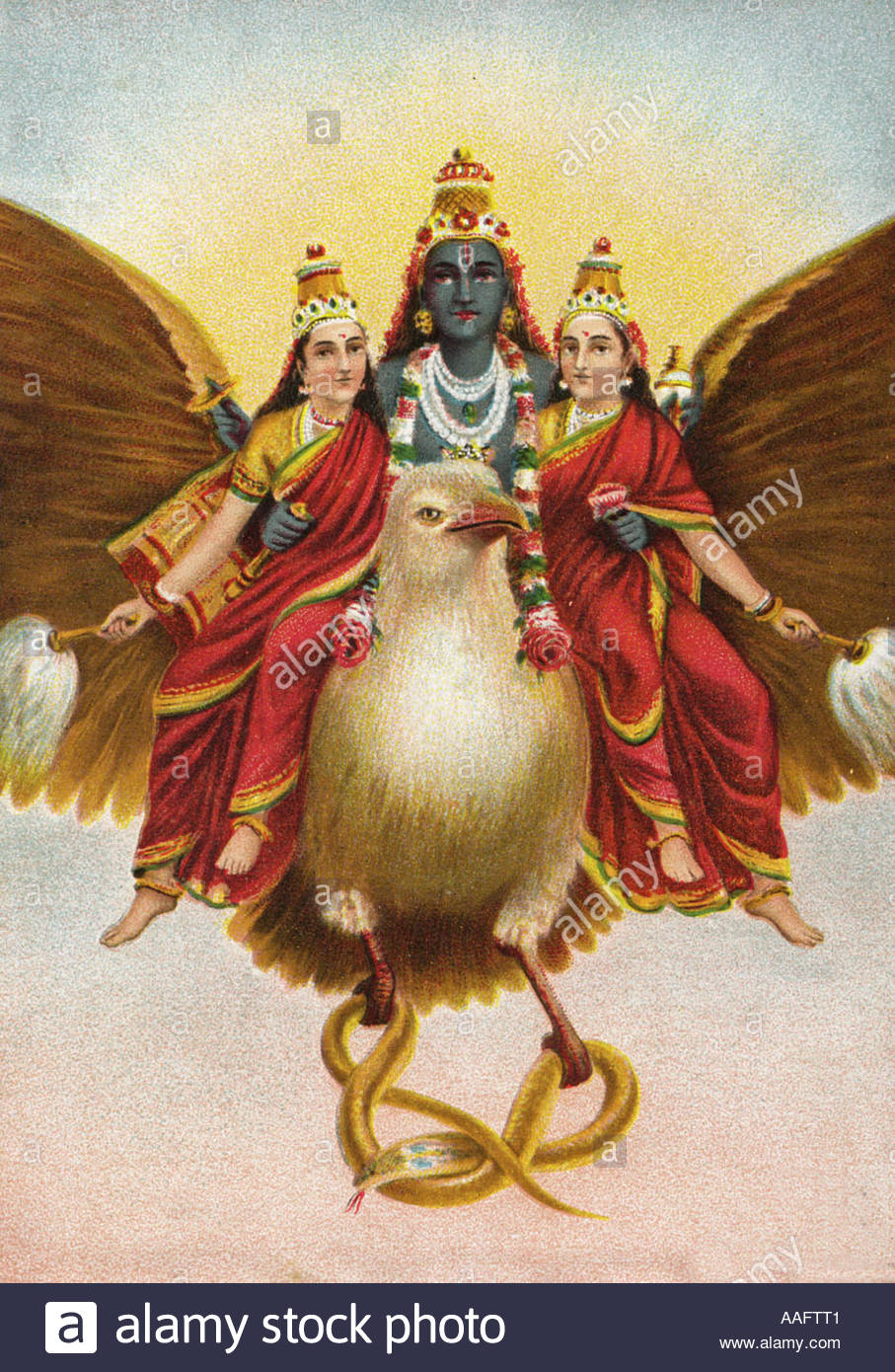
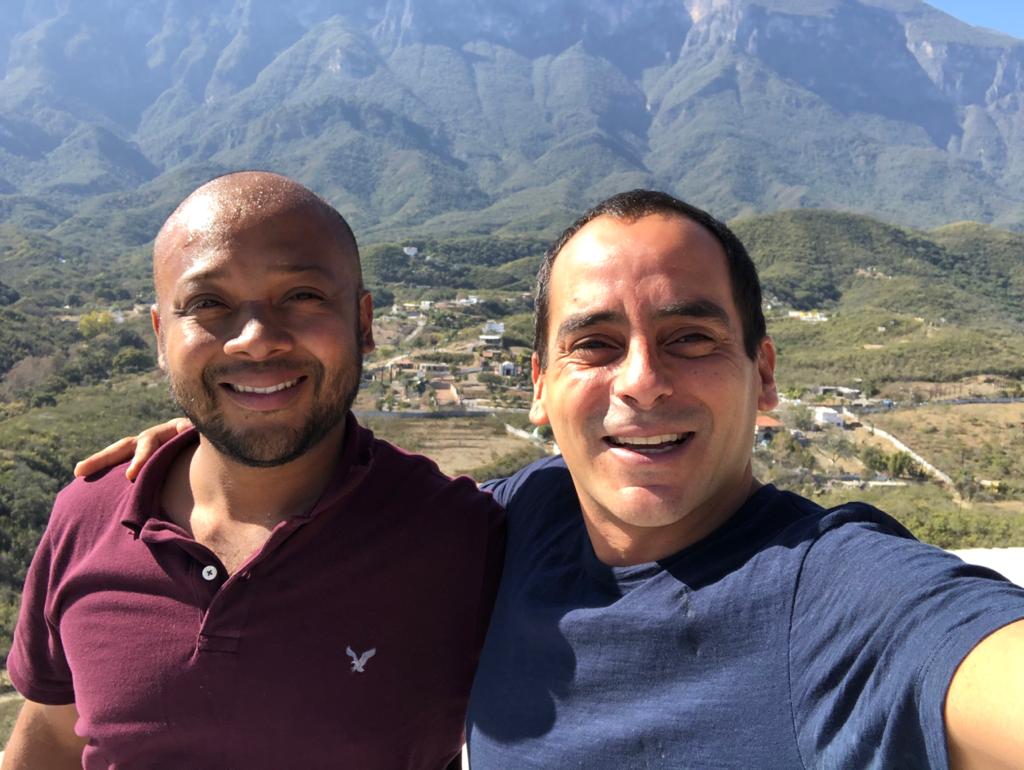
Śivajī

1 month, 2 weeks ago by Namacarya das in Other

Dear Guru Maharaja, all glories to Śrīla Prabhupāda.

Please accept my humble obeisances.


Just today, Nirgata and I were discussing the same topic—Śivajī, prayers to him, and his glories. Shortly afterward, your blog post arrived.

We found that many of the thoughts you shared there closely matched what we had been reflecting on.


Is this the “mystical” Hanumat Preśak Swami that a brahmacārī from the Chowpatty temple once spoke about?


Or, as you have often said—quoting Śrīla Prabhupāda—is all such “magic” simply Kṛṣṇa’s arrangement?


Coincidence… or something more?


On the side of our altar, we have a Śiva-liṅga (which has come into our lives several times by his own sweet will) and also a deity/mūrti of him.


Also, Śivajī is present in Vṛndāvana, as Gopīśvara Mahādeva.


At this moment, I am not writing with specific inquiries. Some questions are forming within my manasa—and, I hope, also within my buddhi—and I am taking time to refine them.


Your servant,

Namacarya Das


PS: Srila Prabhupada's quote about magic: The magic will act as soon as you become a pure devotee of Kṛṣṇa.

The magic will be done by Kṛṣṇa, not by me or you. He will do it. 


https://vanisource.org/w/index.php?title=720519_-_Lecture_SB_02.03.01_-_Los_Angeles&hl=magic


HpS - Yes, we heard that from a recoding of Srila Prabhupada under very intense circumstances. Has always impressed us.


Radha and Krsna are so fine!

Their woship is so fine.

We must be so fine.


Who is the Supreme Personality of Godhood?


Maha visnu?

Paramatma?

Is the personality of godhood very elevated but ultimately a temporary manifestation from the eternal Brahman?

Siva? Durga? Rama? Who is the Supreme?

Bala gopal? Radha gopal?

Who can perform an exorcism?

1 month, 2 weeks ago by das in Other

Hare Krishna Maharaja


PAMHO AGTSP


A devout friend recommended someone to perform an exorcism. He meets almost all the requirements, the only thing that doesn't fit is that he's not a devotee of Krishna, he's a devotee of Kali.


This person was first a devotee of Krishna, but later became initiated with a Guru who primarily worships Kali.


Do you think he's a good choice?


Balaram Kripa das


HpS/ASA - AgtSP!! Tom Brown and Buck White do not see how one can really be a devotee of Kali without being a devotee of Narayana?

Especially if one has prior knowledge of of Krsna from Srila Prabhupada.


Of course, one may have very sincere devotion of Kali, Shiva, Surya, Brahma in relation to Sri Hari, Narayana, just as one may have sincere devotion to St. Francis as a way personal way to appreciate Jehovah.

Raghunatha Das worshipped Lord Caitanya by worshipping Svarupa damodara Goswami, though, SDG.


So, seems like you should find another exorcist?

Who recommended him?

Why?

Thank you.

continuation of thread about - marijuana addiction -

1 month, 2 weeks ago by Namacarya das in Other

Here is the 1st part

https://monkeywarrior.com/detail/16039/


As always, thank you very, very much!


If I understood correctly, your disciple had a marijuana addiction. In the place where he lives, cultivating (and presumably using) marijuana is legal. So he began cultivating it himself, and this reduced his addiction by about 75%.


Did I understand that properly?


HpS - That is, agtSP, how I understood his experience as he described and we observed from our position. Also, see similar things with people in similar situations.


At the same time, it seems that the jīva has a natural attraction toward the All-attractive Person, Kṛṣṇa, who is very pleasant, and His association/service fills the jīva with an abundant bliss and fulfillment. Usually, today, Krsna is most practically approached and served by chanting Hare Krsna. When that attraction is not consciously engaged, the same seeking tendency expresses itself through other activities, sometimes in distorted ways.


HpS - Yes. Although He and His girlfriends sometime bite each other, no?


Regarding the association, I am not sure I fully understand your point. My current thought is that chanting Hare Kṛṣṇa and doing kīrtana is always beneficial, but association with people who use intoxicants may also have its own influence. 


HpS - I see the danger that you are suggesting, thank you. In this case it seems that we are looking at associating with other addicts in a secular environment where marijuana addiction is being looked at from a progressive therapeutic platform rather from a secret society that is glorifying it as some kind of highly elevated state of existence.

"We are sick, lets surrender to the addiction we cannot control, but try to learn from the bad results we see".


x


"Pot is great. It is the doorway to higher consciousness. It gives us artistic abilities."


... If we are allowed to associate, see mirrors of ourselves in other addicts, who want to be cured while chanting Hare Krsna, then it can be one step up, no?


Of course, as your comments point out it can just be a chance to continue our addiction with more ease. Like following Vyasadeva's compromise in the other puranas becomes a chance to continue your addiction rather than a chance offered to advance.


O.K.??


Thank you so much.


Your servant, Namacarya Das


Authority in ISKCON: Between the Collective GBC and Zonal Management

1 month, 2 weeks ago by bhaktanicasio in Special Category A

Dear Gurudeva,


All glories to Srila Prabhupada,


Please accept my humble obeisances.


I have a concern regarding the authority structure bequeathed to us by our Founder-Acharya. Srila Prabhupada established the GBC (Governing Body Commission) as the ultimate managing authority, based on the instruction that his own godbrothers disobeyed after the departure of Srila Bhaktisiddhanta Saraswati Thakur.


HpS - AgtSP. I would say that it may not have been only based upon the instruction that Srila Bh. Siddhanta gave at that one time but efforts he made many other times, that culminated thus at the time of his departure, and SP working base upon own intelligent inspiration from Guru and Krsna.


As explained in the Chaitanya-charitamrita (Adi-lila 12.8, purport), those who disobey the Guru’s order to work collectively become asara, or "useless."

However, in current practice, we observe that in many regions, the "Zonal GBC" role falls upon a single individual. This presents two challenges that I would like to consult with you:

  1. Burden and Purity: Being a single person (who often is not an uttama-adhikari like Srila Prabhupada), they may become overburdened with service or commit errors in judgment due to the lack of an immediate counterbalance.
  2. Distance from Local Reality: Although Regional Governing Bodies (RGB) exist, sometimes the GBC is not fully immersed in what is happening "on the ground" or on the daily battlefield, which makes it difficult to make precise decisions for very specific, local problems.

My question is: How should we view and assist this authority when it seems to approach the "Zonal Acharya" model that caused so many problems in the 1980s? How can we, the local devotees, collaborate so that Prabhupada's will for "collective management" remains alive and functional, preventing the zonal leader from standing alone with such a heavy responsibility?

Thank you very much for your reflections and realizations on this matter.


Your servant,

Nikunja Bihari Das.


HpS - Your question seems like a big, broad one. I think there will be a lot of significant variety within the individual GBC people.

I think that a wife in ISKCON has a similar problem in relating to her husband... and children their parents.


In Kali yuga VAD does not work so well. So, we try to have Kirtan relationships with people and on that basis develop the VAD, management relations.

O.K?


We are struggling to be Sannyasis. The GBC is struggling to be GBC Secretaries.

Help everyone, GBC people et al, in their Mangala arati Kirtan, daily street Kirtan, etc. Then deal with our Management relations kind of like any other organization such as city, business, professional and national management in Argentina.


La Autoridad en ISKCON: Entre el GBC Colectivo y la Gestión Zonal


Querido Gurudeva,


Todas las glorias sean a Srila Prabhupada,


Por favor acepte mis humildes reverencias.

Tengo una inquietud respecto a la estructura de autoridad que nos legó nuestro Fundador-Acharya. Srila Prabhupada estableció el GBC (Governing Body Commission) como la máxima autoridad administrativa, basándose en la instrucción que sus propios hermanos espirituales desobedecieron tras la partida de Srila Bhaktisiddhanta Saraswati Thakur. Como se explica en el Chaitanya-charitamrita (Adi-lila 12.8, significado), quien desobedece la orden del Guru de trabajar en conjunto se vuelve un asara o "inútil".

Sin embargo, en la práctica actual, observamos que en muchas regiones el "GBC Zonal" recae sobre una sola persona. Esto presenta dos desafíos que me gustaría consultar con usted:

 1. La carga y la pureza: Al ser una sola persona (quien a menudo no es un uttama-adhikari como Srila Prabhupada), puede sobrecargarse de servicio o cometer errores de juicio por falta de un contrapeso inmediato.

 2. La distancia de la realidad local: Aunque existen los Consejos Regionales (RGB), a veces el GBC no está plenamente empapado de lo que sucede "en el terreno" o en el campo de batalla diario, lo que dificulta la toma de decisiones precisas para problemas muy específicos.

Mi pregunta es: ¿Cómo debemos ver y ayudar a esta autoridad cuando parece acercarse al modelo de "Acharya Zonal" que tantos problemas causó en la década de los 80? ¿Cómo podemos los devotos locales colaborar para que la voluntad de Prabhupada de una "gestión colectiva" se mantenga viva y funcional, evitando que el líder zonal se quede solo ante tanta responsabilidad?

Muchas gracias por sus reflexiones y realizaciones al respecto.


Su sirviente,

Nikunja Bihari Das.


The Golden Bridge: An Offering of Gratitude to the Guardian of Parampara. / El Puente de Oro: Una ofrenda de gratitud al guardián del Parampara

1 month, 2 weeks ago by bhaktanicasio in Other

oṁ ajñāna-timirāndhasya jñānāñjana-śalākayā

cakṣur unmīlitaṁ yena tasmai śrī-gurave namaḥ

nama oṁ viṣṇu-pādāya kṛṣṇa-preṣṭhāya bhū-tale

śrīmate hanumatpreṣaka-svāmin iti nāmine

Who is my spiritual master? He is a great Vaiṣṇava standing among generations of Sampradāya Ācāryas. Is he an uttama-bhakta? Only a pure devotee possesses the vision to recognize it; however, if we observe the six steps of surrender (Śaraṇāgati) described in the Hari-bhakti-vilāsa (11.676), we perceive in him, at the very least, a madhyama-bhakta of the highest stature. In any case, his guidance always leads us to the lotus feet of the pure devotee, his (our) spiritual master, Śrīla A.C. Bhaktivedanta Swami Prabhupāda.

That combination of humility and incalculable wisdom provides us with a safe and stable refuge. For it is a profound truth that both the Mādhurya-kādambinī and the commentary on the Bhagavad-gītā by Śrīla Viśvanātha Cakravartī Ṭhākura expand and assist us in understanding even more deeply the glorious "Bhagavad-gītā As It Is" by Śrīla Prabhupāda.

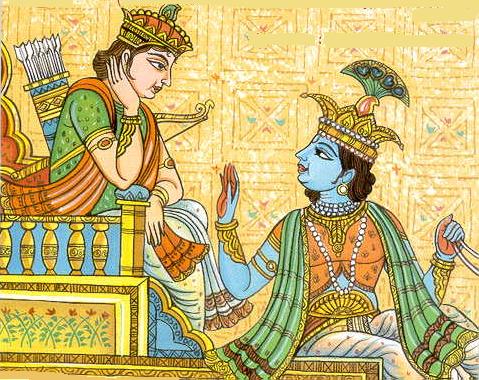
Who else but him brings the Ācāryas into our daily lives with such vivid examples? He reveals the pastime of Dakṣa and Satī through the figure of an ISKCON temple president and his daughter, or shows us the relevance of Dharma in the figures of Hamlet and Arjuna, or in the mystical encounter between Cervantes and Vyāsadeva. It is he who emphasizes the importance of the Upadeśāmṛta, showing us that Narottama dāsa Ṭhākura invites us to take shelter in the six Goswāmīs to truly comprehend the pastimes of Rādhā and Kṛṣṇa.

My spiritual master, His Holiness Hanumatpreśaka Swami, revealed to me the bridge between East and West by comparing the lives of Bhaktisiddhānta Sarasvatī and Carl Jung. He has instructed me that our process is Gandharva Veda: that theater, dance, and music are the supreme ways to preach to the masses. And finally, he has always emphasized that chanting sixteen rounds very early—ideally before maṅgala-āratik—is the only way to achieve a chanting full of Enthusiasm.

He is a great Vaiṣṇava who grants us protection through his divine instructions; they are the key to accessing that bastion of bhakti which is the Guru Paramparā of the Brahma-Madhva-Gauḍīya Sampradāya, our sacred lineage, to which we surrender our existence!

Always attempting to take shelter in your divine instructions,

Your passionate disciple,

Nikuñja-bihārī dāsa


HpS - AgtSP! Thank you. We keep thinking that wars are not fought, won, by good looking, well dressed super soldiers, who have all their equipment in order.

Who are fighting a a perfect formation with clever tactics with their 100% proper companions.


They are fought by wounded soldiers who get back up and put the 60% energy they have available fully back into the fight.

Who are facing an intelligent enemy who has damaged their tactical arrangements.


We need to associate with the devotees of ISKCON to get perspective on who we are. Thank you for these comments.

Lord Caitanya says that exaggerated praise is another form of blasphemy.

Seems that if we are going to go out and try to serve Lord Caitanya's mission in even the simplest sense we have to present ourselves as some kind of Guru. Then we will get criticism. We need to see the critics carefully so that we can evaluate their criticism.

We hope that Krsna gives you good intelligence to balance your personal esoteric development, family, community.


​oṁ ajñāna-timirāndhasya jñānāñjana-śalākayā

cakṣur unmīlitaṁ yena tasmai śrī-gurave namaḥ

​nama oṁ viṣṇu-pādāya kṛṣṇa-preṣṭhāya bhū-tale

śrīmate hanumatpreṣaka-svāmin iti nāmine

​¿Quién es mi maestro espiritual? Él es un gran Vaiṣṇava erguido entre generaciones de Sampradāya Ācāryas. ¿Es un uttama-bhakta? Solo un devoto puro posee la visión para reconocerlo; sin embargo, si observamos los seis pasos de la rendición (Śaraṇāgati) descritos en el Hari-bhakti-vilāsa (11.676), vemos en él, como mínimo, a un madhyama-bhakta de elevadísima estatura. De cualquier manera, su guía siempre nos conduce hacia los pies de loto del devoto puro, su (nuestro) maestro espiritual, Śrīla A.C. Bhaktivedanta Swami Prabhupāda.

​Esa amalgama de humildad y sabiduría incalculable nos brinda un refugio seguro y estable. Pues es una verdad profunda que tanto el Mādhurya-kādambinī como el comentario al Bhagavad-gītā de Śrīla Viśvanātha Cakravartī Ṭhākura, expanden y nos auxilian para comprender aún más profundamente el glorioso "Bhagavad-gītā tal como es" de Śrīla Prabhupāda.

​¿Quién sino él nos trae a los Ācāryas a nuestra vida cotidiana con ejemplos tan vívidos? Él nos revela el pasatiempo de Dakṣa y Satī a través de la figura de un presidente de templo y su hija, o nos muestra la vigencia del Dharma en las figuras de Hamlet y Arjuna, o en el místico encuentro entre Cervantes y Vyāsadeva. Es él quien nos enfatiza la importancia del Upadeśāmṛta, mostrándonos que Narottama dāsa Ṭhākura nos invita a refugiarnos en los seis Goswāmīs para comprender, verdaderamente, los pasatiempos de Rādhā y Kṛṣṇa.

​Mi maestro espiritual, Su Santidad Hanumatpreśaka Swami, me ha revelado el puente entre Oriente y Occidente al comparar las vidas de Bhaktisiddhānta Sarasvatī y Carl Jung. Él me ha instruido en que nuestro proceso es Gandharva Veda: que el teatro, la danza y la música constituyen la vía suprema para predicar a las masas. Y, finalmente, siempre ha enfatizado que cantar las dieciséis rondas bien temprano —idealmente antes del maṅgala-āratik— es la única forma de alcanzar un canto colmado de entusiasmo.

​Él es un gran Vaiṣṇava que nos otorga protección mediante sus divinas instrucciones; ellas son la llave para acceder a ese bastión del bhakti que es el Guru Paramparā de la Brahma-Mādhva-Gauḍīya Sampradāya, nuestro sagrado linaje, ¡por el cual entregamos nuestra existencia!

​Siempre intentando refugiarnos en sus divinas instrucciones,

​Su apasionado discípulo,

​Nikuñja-bihārī dāsa


Finding the balance between personal nature and surrender to the Guru

1 month, 2 weeks ago by bhaktanicasio in Special Category A

Dear Gurudeva, 

All glories to Srila Prabhupada!!

Please accept my humble obeisances, 


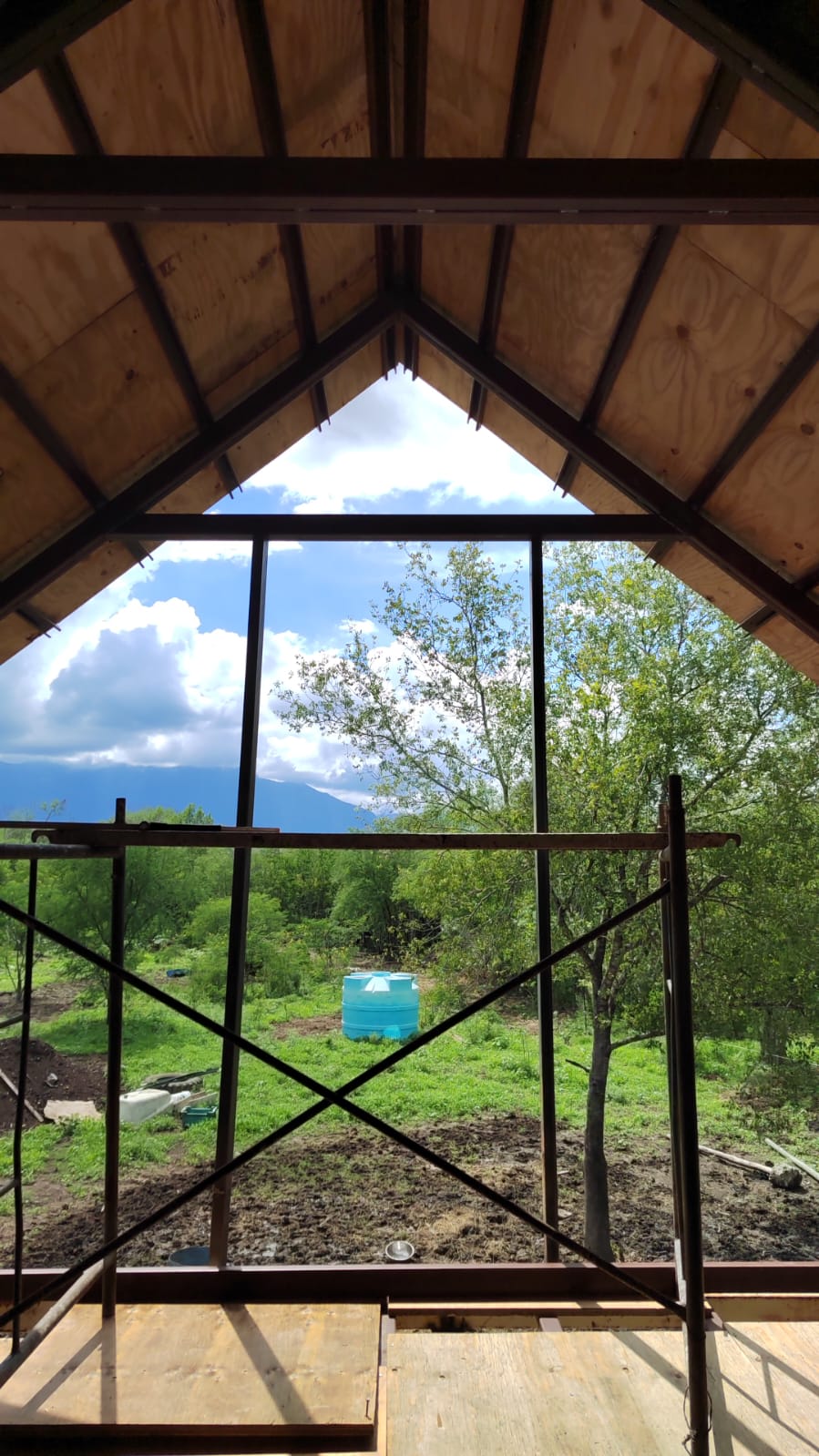
In our recent conversations regarding the working group at the farm, you kept insisting on asking me: “What is it that you want to do?”. This question has led me to reflect deeply on the balance of spiritual life.


My doubt is the following: What is the correct balance between the service one desires to offer based on one's own motivation, kama (based on gunas and karma) and the service that the spiritual master specifically requires from us?


I understand that acting according to my own inclinations or "passions" to occupy them in Krishna's service seems to be closer to the platform of karma-yoga (offering the results of our nature). On the other hand, strictly doing what the master needs—even if it is not what naturally attracts us—seems to be closer to atmanivedanam or saranagati (full surrender to the mission).


How can we find the perfect balance between these two aspects according to our state of consciousness and spiritual advancement? How can we know when we should follow our inclinations to avoid frustration, and when we should sacrifice them for the direct needs of the Guru's mission?


Thank you for always being there for us, for your endless patience, and for being our constant shelter.


Your servant,

Nikunja Bihari Das.


HpS - Some thoughts, agtSP, that come in response to you questions are that the guru desires us to act with our utmost sincerity on our actual platform. If we are on Karma-misra Bhakti Yoga or Jnana-misra Bhakti yoga or Dhyama misra bhakti yoga, then he will instruct us to act there.

Of course, he gives us a view of higher platforms so that we can have direction, perspective, for the lower platform and motivation for progress.

In some aspects there is only Radha Krsna, no?

Yet, They are expanded only as enhancements to that solitary relationship, not as compromise to the inferior attachments of the Jivas, no?


Gurus, according to their development, will advise us what to do. Sampradaya acharya like Srila Prabhupada. Kanistha, madhyama, uttama adhikari siksa gurus. Prabhupada in his books. Krsna in our heart. Our sincerity and contemplation.

NoI says that devotional service is not a matter of sentimental speculation nor imagined ecstacy, but practical activity in the foreground of spiritual life.

Thank you!


El equilibrio entre la naturaleza personal y la rendición al Guru


Querido Gurudeva,

Todas las glorias sean para Srila Prabhupada,

Por favor acepte mis humildes reverencias.

En nuestras recientes conversaciones sobre el grupo de trabajo en la finca, usted insistía en preguntarme: “¿Qué es lo que tú quieres hacer?”. Esta pregunta me ha llevado a reflexionar profundamente sobre el balance en la vida espiritual.

Mi duda es la siguiente: ¿Cuál es el equilibrio correcto entre el servicio que uno desea ofrecer según su propia motivación, kama (basada en sus gunas y karma) y el servicio que el maestro espiritual requiere específicamente de nosotros?

Entiendo que actuar según mis propias inclinaciones o "pasiones" para ocuparlas en el servicio de Krishna parece estar más cerca de la plataforma del karma-yoga (ofrecer los resultados de nuestra naturaleza). Por otro lado, hacer estrictamente lo que el maestro necesita, incluso si no es lo que nos atrae naturalmente, parece acercarse más al atmanivedanam o sharanagati (rendición total a la misión).

¿Cómo podemos encontrar el balance perfecto entre estos dos aspectos según nuestro estado de conciencia y avance espiritual? ¿Cómo saber cuándo debemos seguir nuestras inclinaciones para no frustrarnos y cuándo debemos sacrificarlas por la necesidad directa de la misión del Guru?


Gracias por estar siempre ahí para nosotros, por su paciencia y por ser nuestro refugio constante.

Su sirviente,

Nikunja Bihari Das.